AI Integration / Developer Productivity
AI-SDLC adoption systems
Practical engineering loops for using AI coding agents with specs, review, tests, and handoffs.
Problem
Many teams adopt AI coding tools as individual productivity boosters and stop there. That leaves the important problems unsolved: weak acceptance criteria, unreviewed agent changes, unclear ownership, missing verification, and work that cannot be resumed after the chat context disappears.
What I built
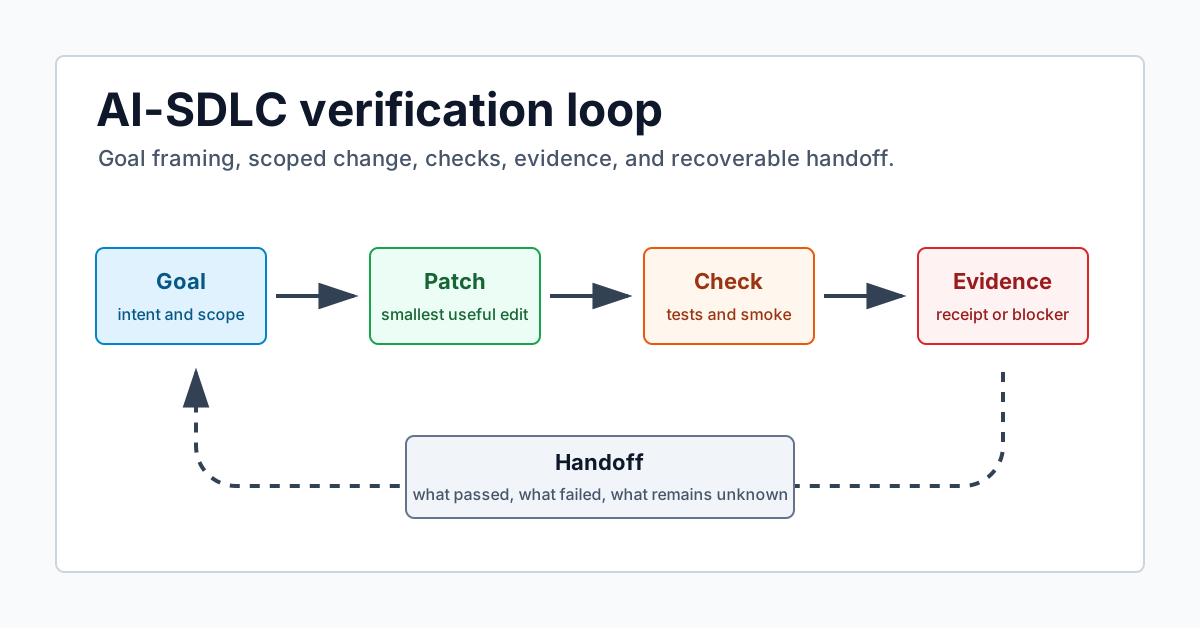
I build AI-SDLC adoption systems that turn agentic coding into a repeatable engineering workflow. The pattern combines clear task framing, scoped file ownership, evidence-first handoffs, code review habits, verification loops, and GitOps or task-json rails for durable execution state.
The work is intentionally practical. It is less about showcasing a single impressive prompt and more about making AI engineering safe enough to use on real codebases with other humans and agents present.
How I work
I separate the workflow into explicit stages: recover the goal, challenge weak assumptions, define the next verification gate, make the smallest useful change, inspect the diff, and leave a record that another operator can use.
When the same defect class survives repeated fixes, I do not keep patching blindly. I raise the verification level: from static inspection to focused tests, then integration or operator-level checks when the risk calls for it.
What this demonstrates
This work demonstrates AI Integration, developer productivity, and senior engineering judgment: building agentic workflows that are observable, bounded, reviewable, and compatible with normal software delivery discipline.