Alex Sandruk
Published Updated
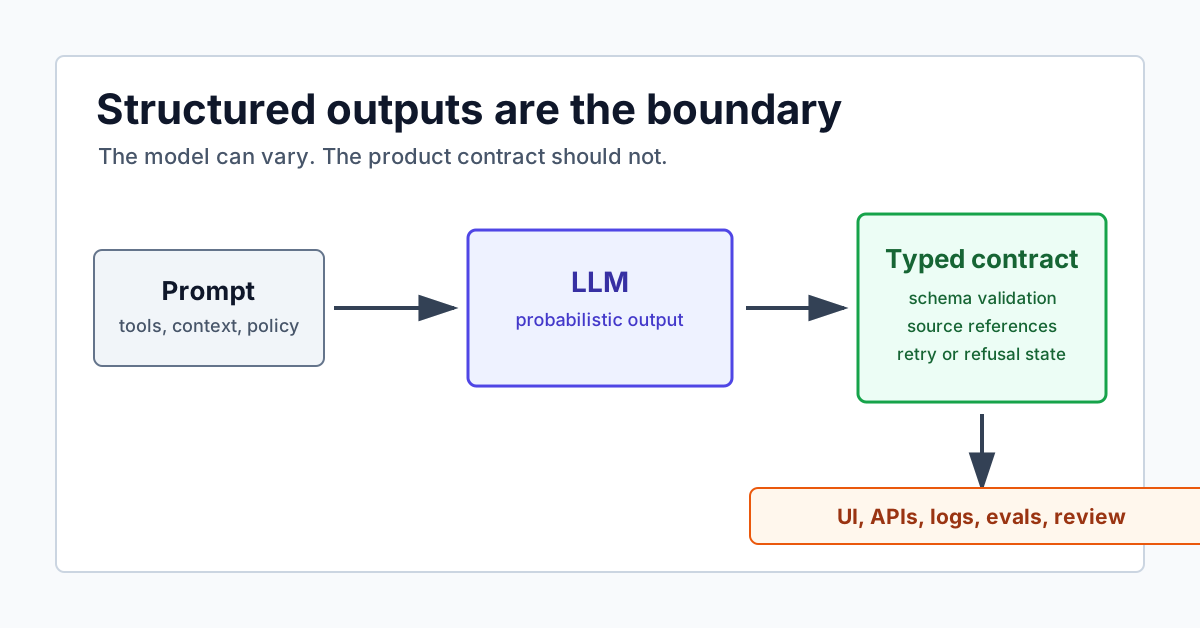
Structured outputs are the API boundary of LLM products
LLM features become operable when prose is separated from typed output contracts, validation, retries, and refusal states.
LLM features become operable when prose is separated from typed output contracts, validation, retries, and refusal states.
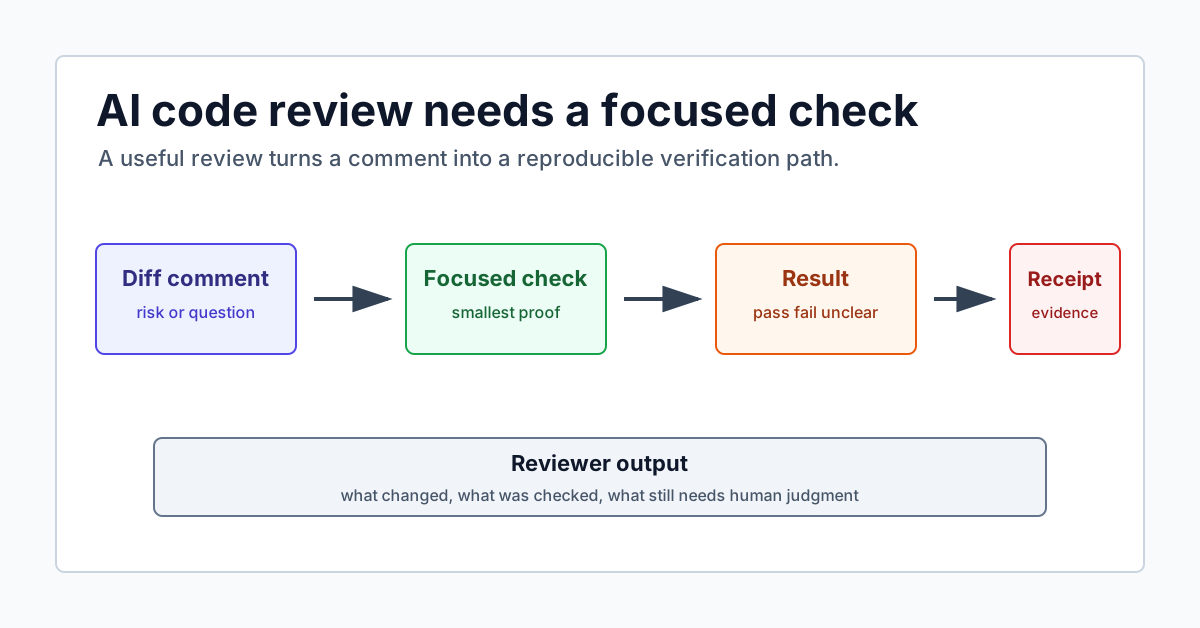
Why AI code review should end in a check against the real system, not a confident comment thread.
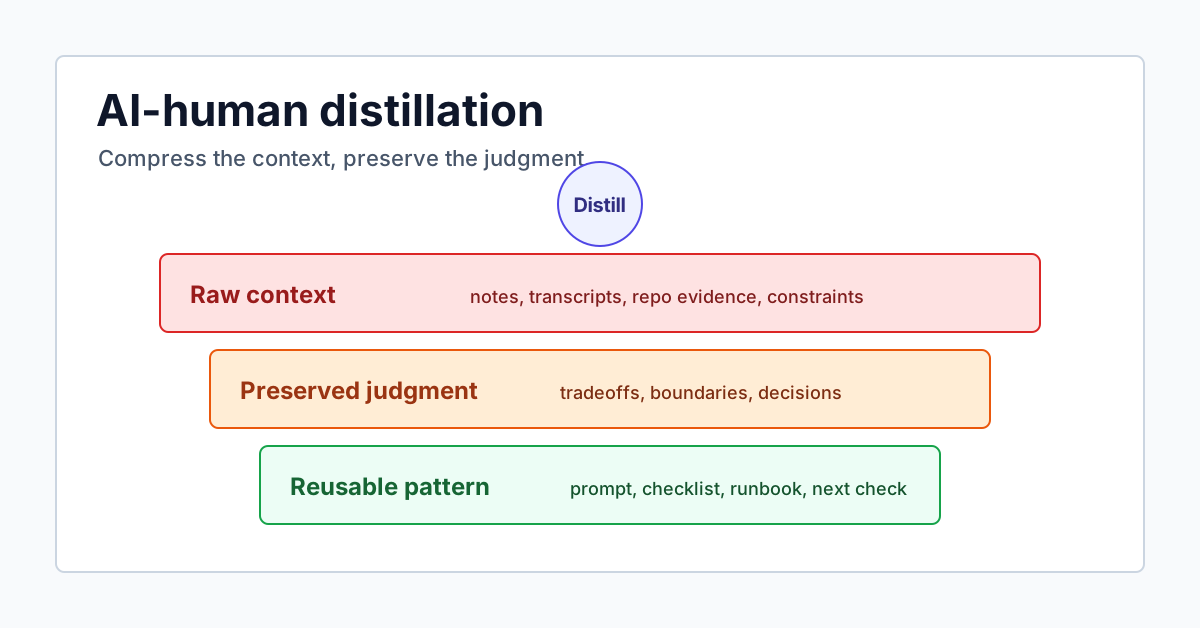
A short note on using AI to compress human context without sanding off judgment, voice, and uncertainty.
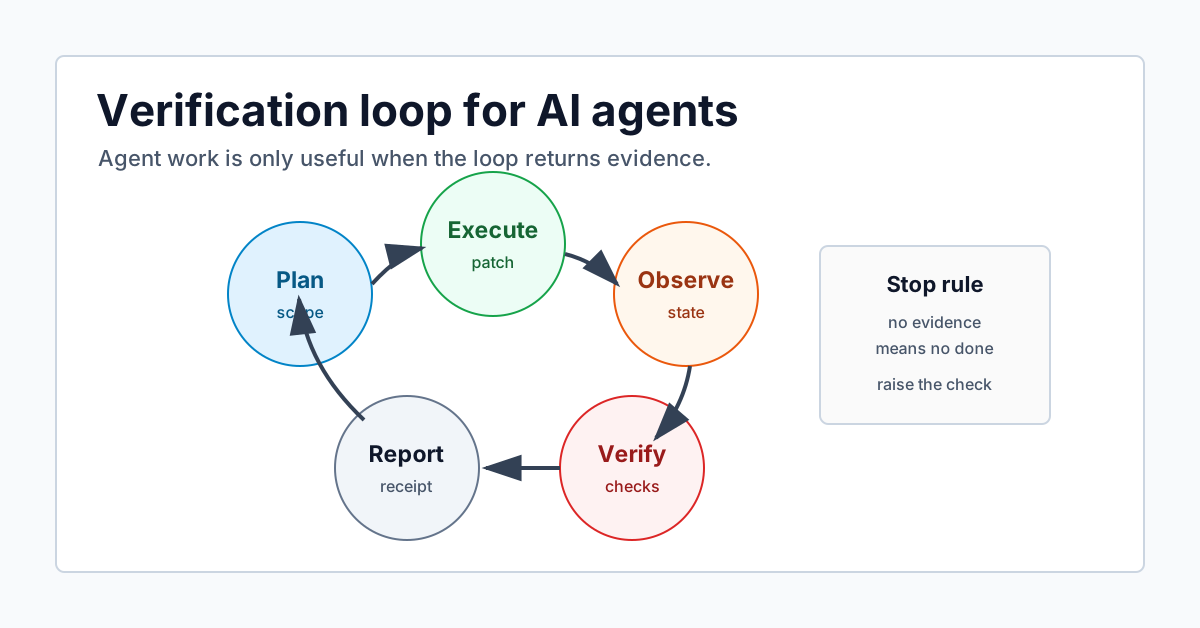
An AI agent's claim is useful only after it is tied to a check the real system can pass.
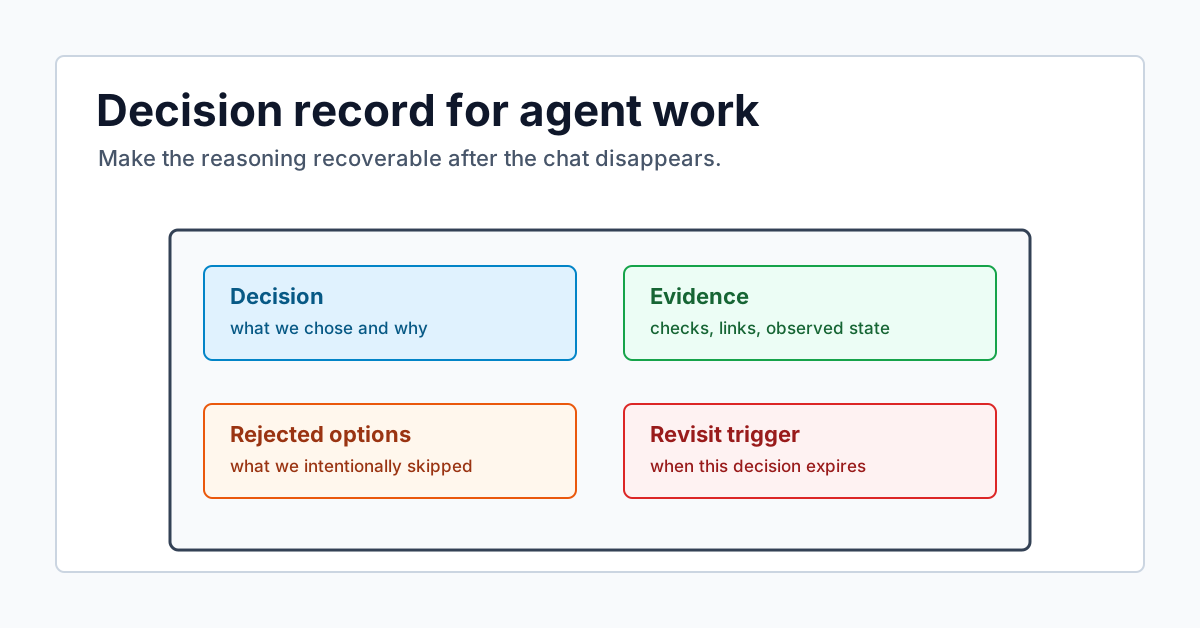
How lightweight decision records keep agent work recoverable without turning every chat into a source of truth.
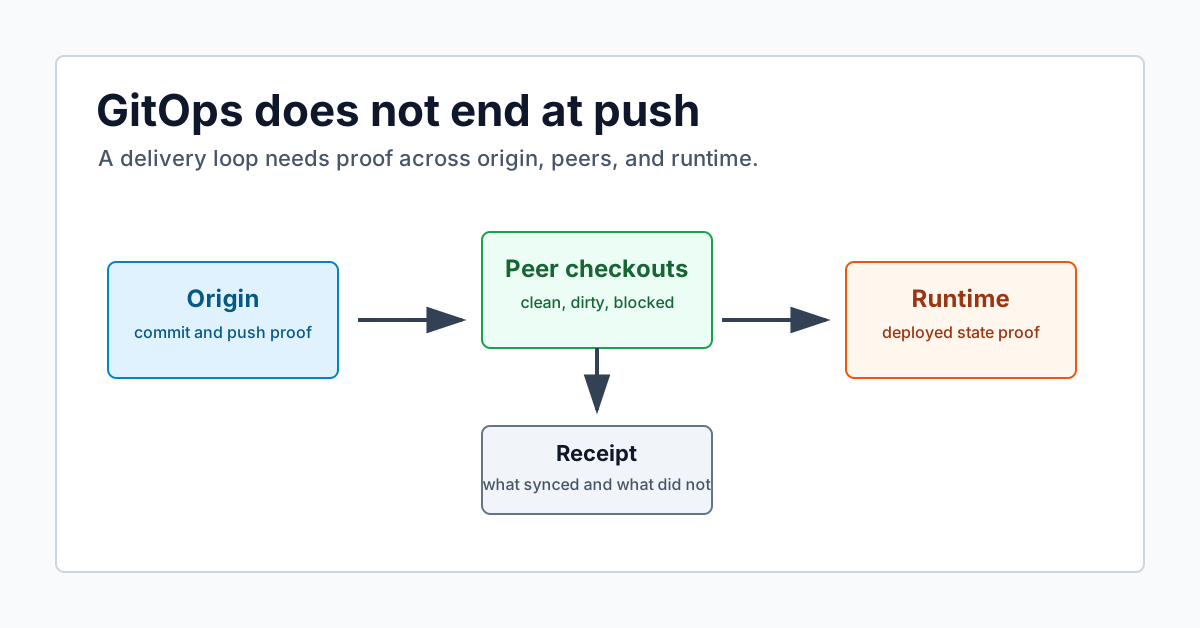
In a multi-machine agent workflow, pushing to origin is only the first half of keeping work recoverable.
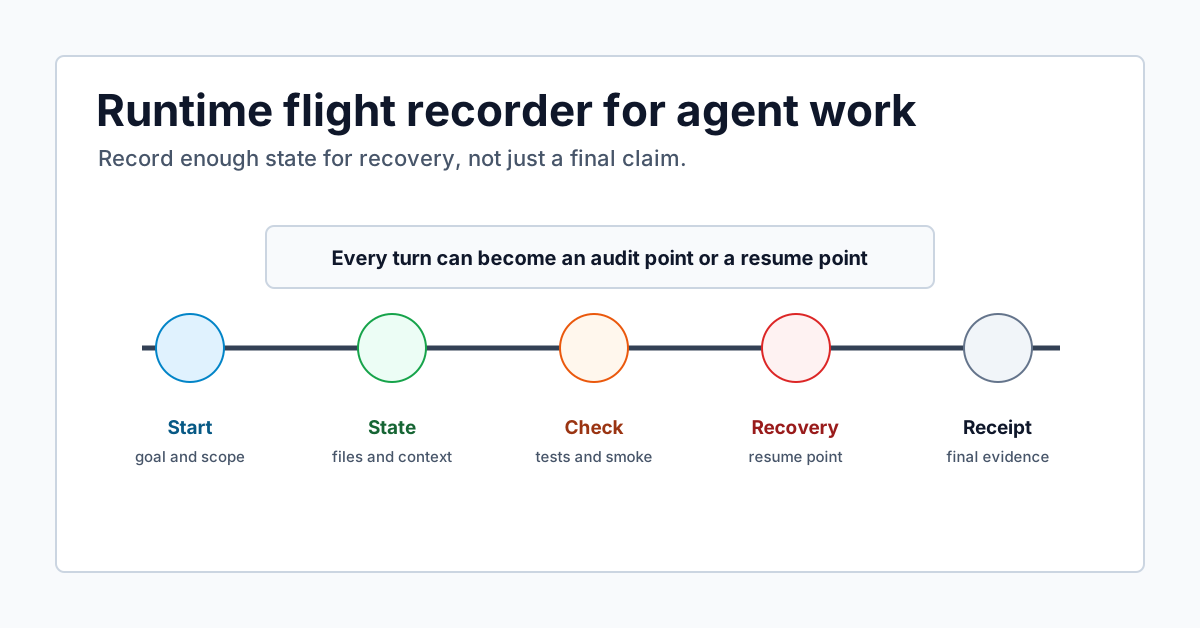
A note on keeping agent runtime inspectable without pretending Git is the whole memory system.
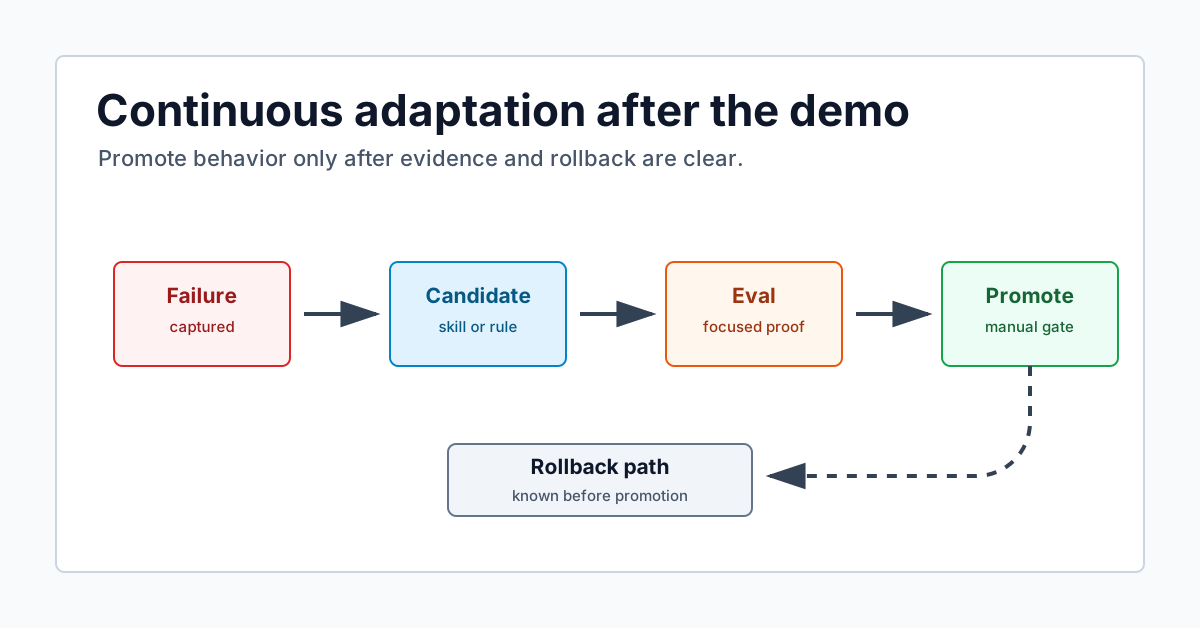
Why continuous adaptation is an operator problem, not only a model capability.
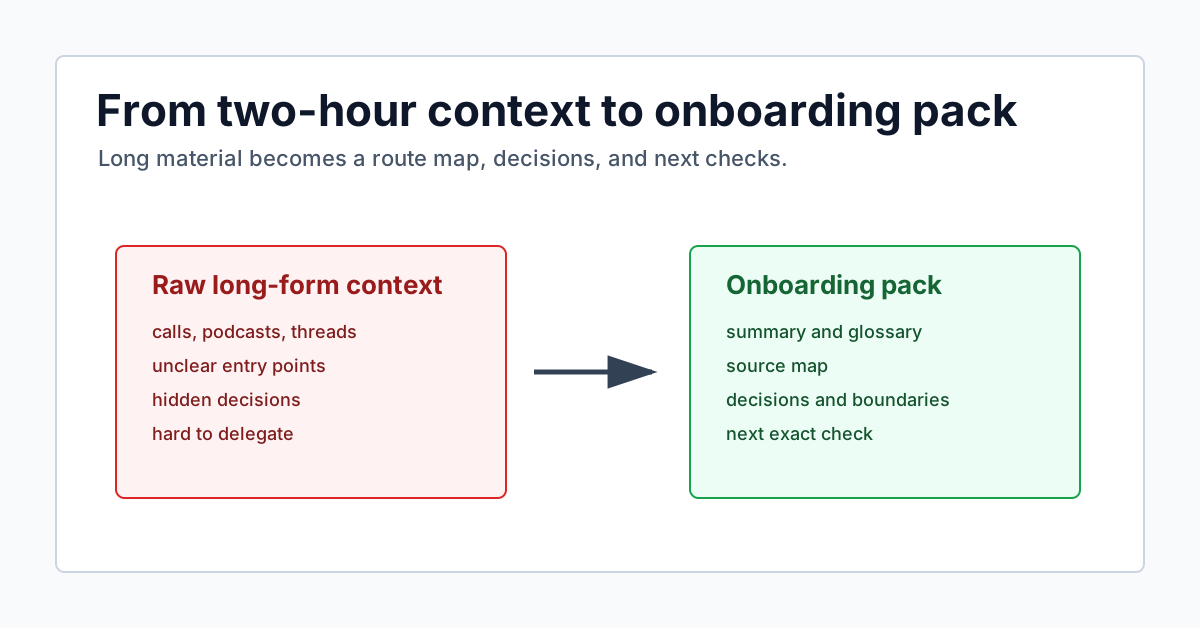
Long-form context is valuable, but onboarding needs a smaller package people can actually use.
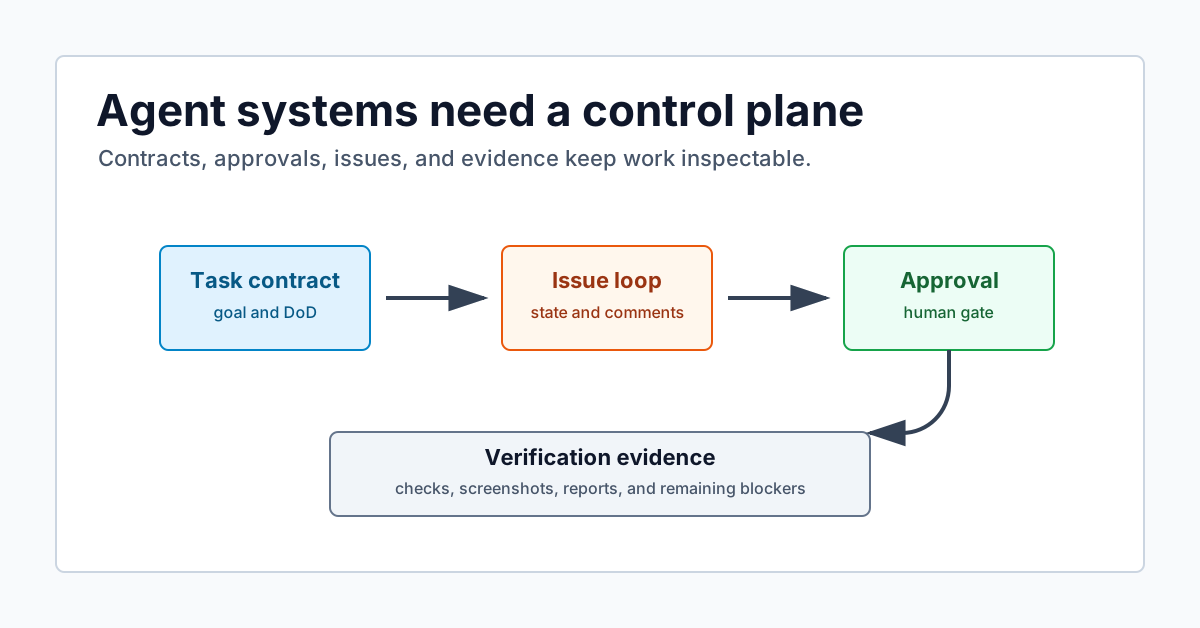
Useful agent systems need routing, state, and operator visibility more than another chat box.
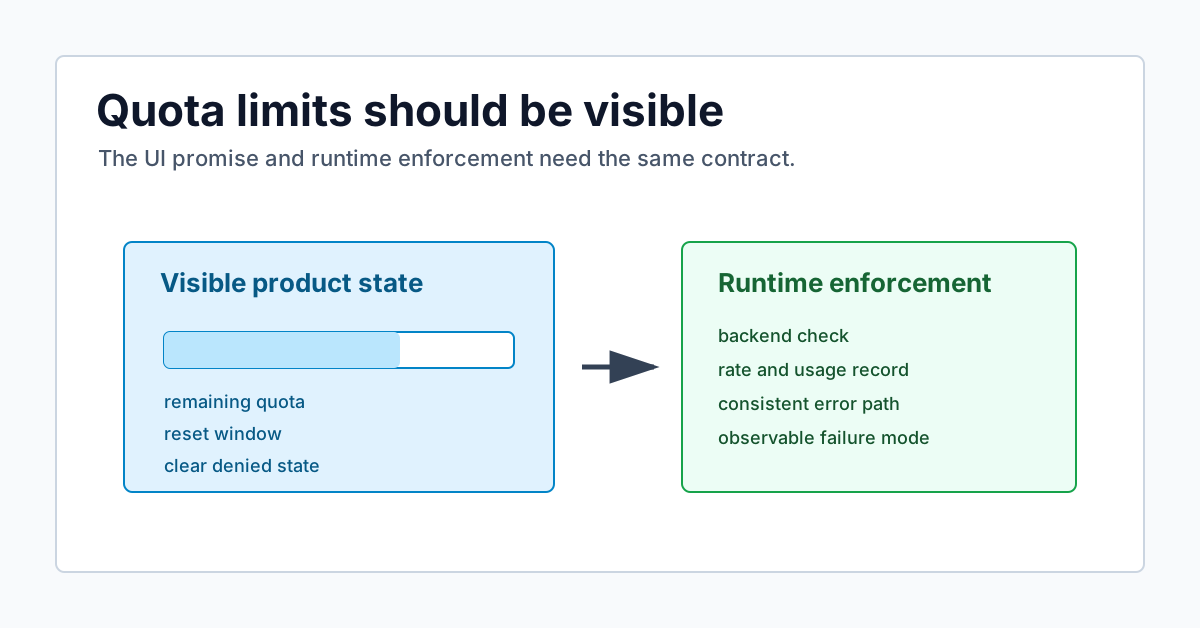
Quota limits should be visible product behavior, not a surprise runtime failure.
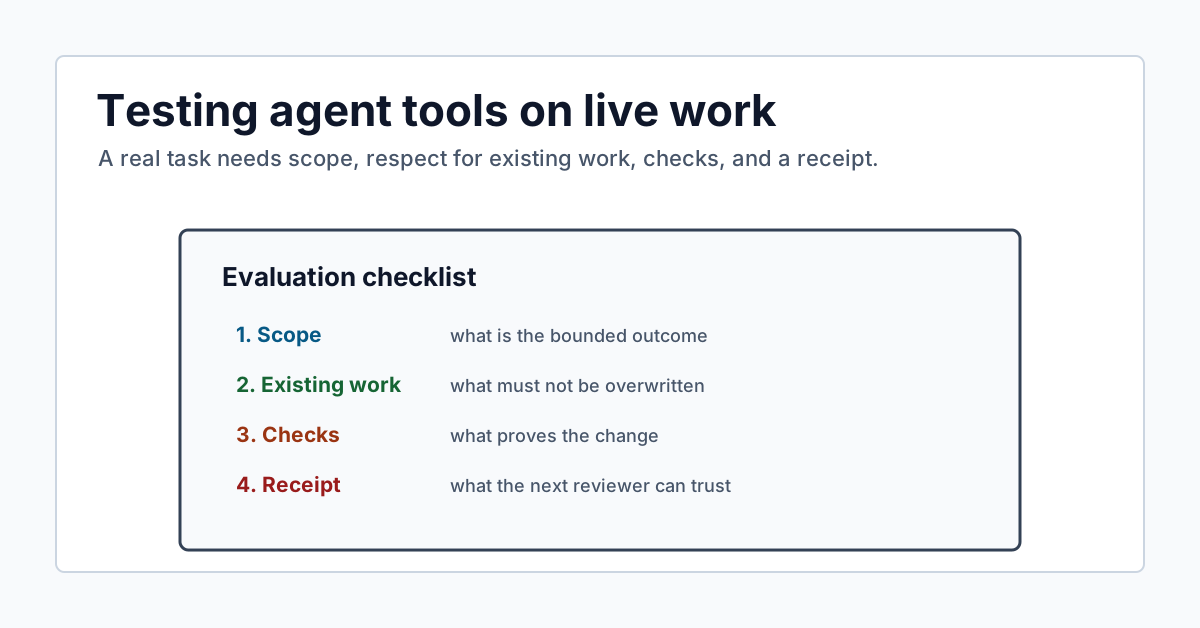
Live tasks reveal what agent coding tools handle well and where operators still need stronger checks.
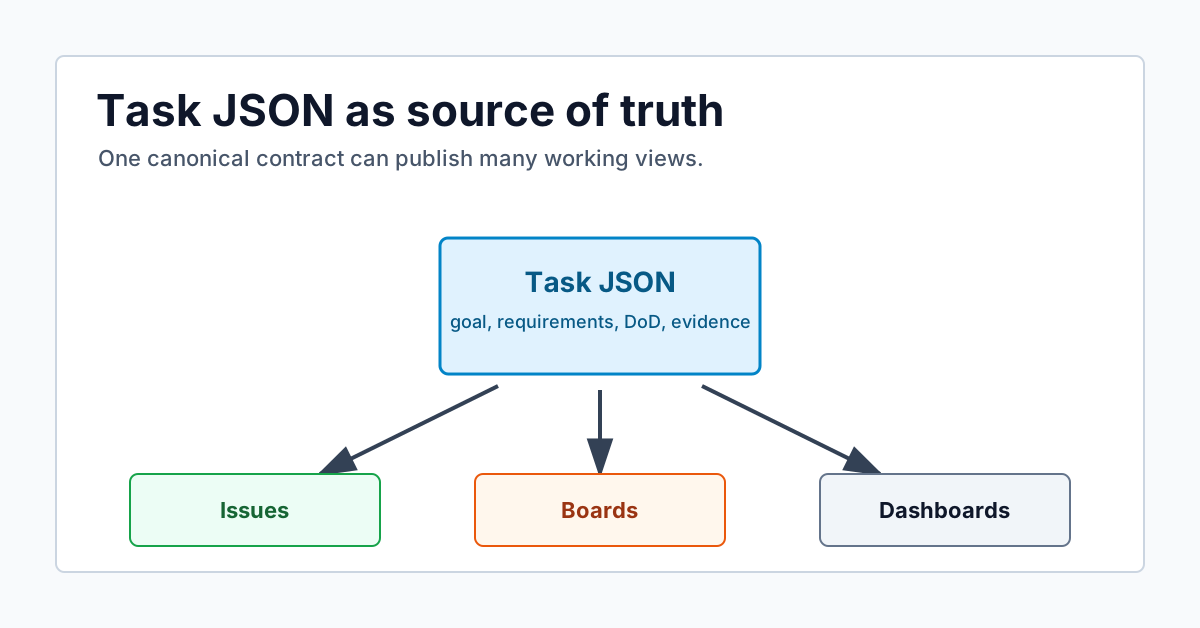
Typed task artifacts give agents a stable source of truth while boards and dashboards stay projection-only.